


Revolutionize Farming with Hydroponic Systems
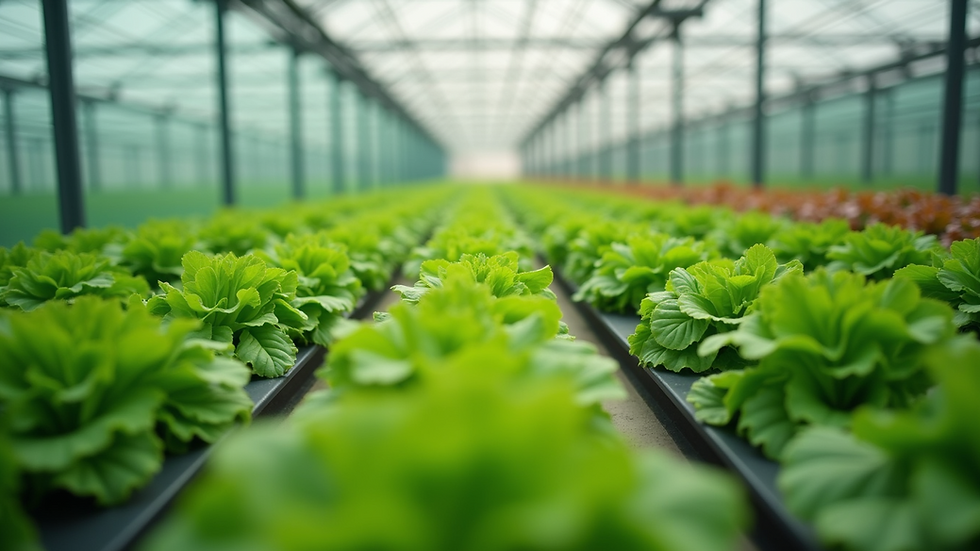
Farming is evolving rapidly, and hydroponic systems are at the forefront of this transformation. These innovative methods allow crops to grow without soil, using nutrient-rich water solutions instead. This approach is changing how we think about agriculture, making it more efficient, sustainable, and adaptable to various environments. Whether you are a small-scale grower or a large agricultural business, understanding hydroponic farming benefits can open new doors to productivity and environmental care.
Exploring Hydroponic Farming Benefits
Hydroponic farming offers numerous advantages over traditional soil-based agriculture. One of the most significant benefits is water efficiency. Hydroponic systems use up to 90% less water than conventional farming because the water is recirculated and reused. This is especially important in areas facing water scarcity.
Another key benefit is space optimization. Hydroponic setups can be stacked vertically or arranged in compact spaces, making them ideal for urban farming or places with limited land availability. This means you can grow more crops in less space, increasing yield per square foot.
Additionally, hydroponic farming allows for faster plant growth. Plants receive nutrients directly through the water, which speeds up their development. This can lead to multiple harvests per year, boosting overall production.
Other benefits include:
Reduced need for pesticides and herbicides, as the controlled environment limits pest exposure.
Year-round crop production, independent of seasonal changes.
Improved crop quality and taste due to precise nutrient control.
These advantages make hydroponic farming a smart choice for modern agriculture.

What is Hydroponics Agriculture?
Hydroponics agriculture is a method of growing plants without soil, using mineral nutrient solutions in an aqueous solvent. Instead of soil, plants are supported by inert mediums such as perlite, coconut coir, or rock wool. The roots are submerged or misted with nutrient-rich water, providing all the essential elements for growth.
This technique allows for precise control over the growing environment, including nutrient levels, pH, and moisture. It eliminates many challenges associated with soil farming, such as soil-borne diseases, pests, and nutrient depletion.
Hydroponics agriculture is versatile and can be adapted to various crops, including leafy greens, herbs, tomatoes, cucumbers, and strawberries. It is also scalable, from small home gardens to large commercial farms.
For more detailed insights on hydroponics in agriculture, you can explore expert blogs and case studies that highlight successful implementations and innovations.

Setting Up a Hydroponic System: Practical Tips
Starting a hydroponic farm may seem complex, but with the right guidance, it can be straightforward. Here are some practical steps to help you set up your system:
Choose the right system type: Common hydroponic systems include Nutrient Film Technique (NFT), Deep Water Culture (DWC), and drip systems. Each has its pros and cons depending on the crop and scale.
Select suitable crops: Leafy greens and herbs are excellent for beginners due to their fast growth and low nutrient requirements.
Prepare the growing medium: Use inert materials like coconut coir or perlite to support plant roots.
Mix nutrient solution: Use a balanced fertilizer designed for hydroponics, ensuring the correct pH (usually between 5.5 and 6.5).
Monitor environmental conditions: Maintain optimal temperature, humidity, and light levels to promote healthy growth.
Regularly check water quality: Test nutrient concentration and pH to avoid deficiencies or toxicities.
By following these steps, you can create a thriving hydroponic garden that maximizes growth and minimizes resource use.

Overcoming Challenges in Hydroponic Farming
While hydroponic farming has many benefits, it also comes with challenges that growers must address:
Initial setup cost: Hydroponic systems can require significant investment in equipment and infrastructure.
Technical knowledge: Managing nutrient solutions and environmental controls demands a learning curve.
Power dependency: Many systems rely on electricity for pumps and lighting, which can be a risk in areas with unstable power supply.
Disease management: Waterborne diseases can spread quickly in hydroponic systems if not properly managed.
To overcome these challenges, consider the following recommendations:
Start small and scale up as you gain experience.
Invest in quality equipment and reliable power backup solutions.
Educate yourself through courses, workshops, and expert resources.
Implement strict hygiene and monitoring protocols to prevent disease outbreaks.
With careful planning and management, these obstacles can be minimized, allowing you to enjoy the full benefits of hydroponic farming.
The Future of Farming with Hydroponic Systems
Hydroponic farming is poised to play a crucial role in the future of agriculture. As the global population grows and arable land decreases, innovative solutions like hydroponics will be essential to meet food demand sustainably.
Urban farming initiatives are increasingly adopting hydroponic systems to bring fresh produce closer to consumers, reducing transportation emissions and costs. Additionally, hydroponics can be integrated with renewable energy sources to create eco-friendly farms.
Research and technology advancements continue to improve system efficiency, nutrient formulations, and automation, making hydroponic farming more accessible and profitable.
By embracing hydroponic farming benefits today, farmers and entrepreneurs can contribute to a resilient and sustainable food system for tomorrow.
Hydroponic farming is more than just a trend - it is a revolution in how we grow food. With its water-saving capabilities, space efficiency, and ability to produce high-quality crops year-round, hydroponics offers a promising path forward. Whether you are looking to start a small garden or expand a commercial operation, understanding and applying hydroponic principles can transform your farming practices and help secure a sustainable future.


Comments