


Boost Sustainability with Hydroponics in Farming
Hydroponic farming is transforming the way we grow food. This innovative method uses water and nutrients instead of soil, allowing plants to thrive in controlled environments. As concerns about climate change and resource depletion grow, sustainable hydroponic farming offers a promising solution to boost sustainability in agriculture. This blog post explores how hydroponics can help create a more sustainable future for farming, with practical insights and examples.
What Is Sustainable Hydroponic Farming?
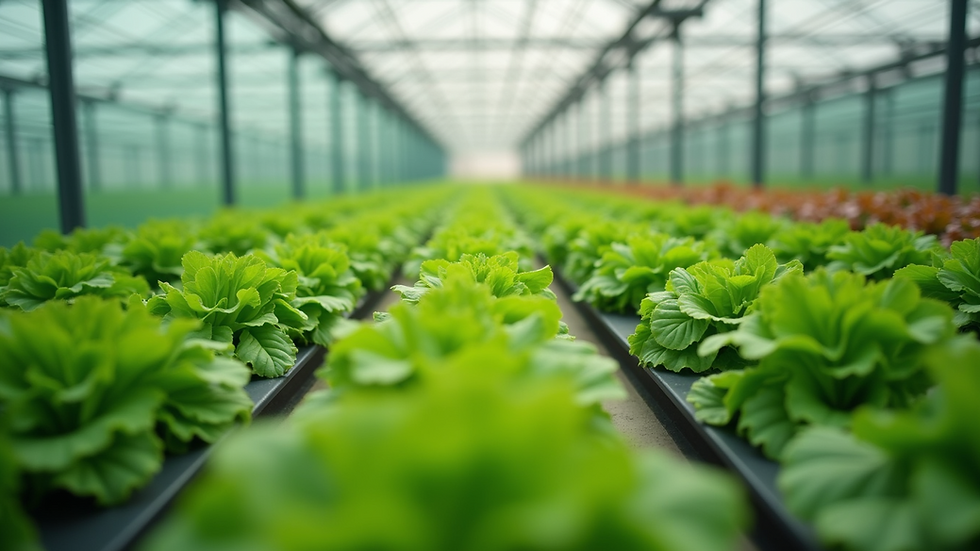
Sustainable hydroponic farming is a method of growing plants using nutrient-rich water solutions in a way that minimizes environmental impact. Unlike traditional farming, it does not rely on soil, which can be degraded by overuse or pollution. Instead, plants grow in a controlled environment, often indoors or in greenhouses, where water and nutrients are carefully managed.
This approach reduces the need for pesticides and herbicides, conserves water, and can be practiced year-round regardless of climate. Sustainable hydroponic farming focuses on optimizing resource use and reducing waste, making it an eco-friendly alternative to conventional agriculture.
Key Features of Sustainable Hydroponic Farming
Water Efficiency: Uses up to 90% less water than traditional soil farming.
Space Optimization: Vertical farming techniques allow more crops per square foot.
Reduced Chemical Use: Controlled environments reduce pests and diseases.
Year-Round Production: Independent of seasonal changes and weather conditions.
Lower Carbon Footprint: Less transportation needed when farms are near urban centers.
Benefits of Sustainable Hydroponic Farming
Sustainable hydroponic farming offers numerous benefits that contribute to environmental protection and food security. Here are some of the most significant advantages:
Water Conservation
Traditional farming consumes vast amounts of water, much of which is lost to evaporation or runoff. Hydroponic systems recycle water, delivering nutrients directly to plant roots. This closed-loop system drastically reduces water waste, making it ideal for regions facing water scarcity.
Increased Crop Yield and Quality
Hydroponic systems provide plants with optimal nutrient levels and growing conditions. This results in faster growth rates and higher yields compared to soil-based farming. Additionally, crops grown hydroponically often have better taste, texture, and nutritional value.
Reduced Land Use
By stacking plants vertically or using compact setups, hydroponic farms require less land. This is especially valuable in urban areas where space is limited. It also helps preserve natural habitats and reduces deforestation caused by expanding farmland.
Lower Environmental Impact
Hydroponic farming reduces the need for chemical fertilizers and pesticides, which can contaminate soil and water. It also cuts down on greenhouse gas emissions by enabling local food production, reducing transportation distances.
Flexibility and Scalability
Hydroponic systems can be adapted to various scales, from small home gardens to large commercial farms. This flexibility allows communities to grow fresh produce locally, improving food access and resilience.
How to Implement Sustainable Hydroponic Farming
Starting a sustainable hydroponic farm requires careful planning and understanding of the system components. Here are practical steps to get started:
1. Choose the Right Hydroponic System
There are several types of hydroponic systems, including:
Nutrient Film Technique (NFT): Thin film of nutrient solution flows over roots.
Deep Water Culture (DWC): Roots suspended in oxygenated nutrient solution.
Ebb and Flow: Flood and drain cycles supply nutrients periodically.
Aeroponics: Roots misted with nutrient solution in air.
Select a system based on your space, budget, and crop preferences.
2. Select Suitable Crops
Leafy greens like lettuce, spinach, and kale are popular for hydroponics due to their fast growth and high demand. Herbs such as basil and mint also thrive. For beginners, start with easy-to-grow plants before expanding to fruiting crops like tomatoes or peppers.
3. Monitor Nutrient Levels and pH
Maintaining the right balance of nutrients and pH is critical for plant health. Use a nutrient solution tailored to your crop and regularly test water parameters. Automated sensors can help maintain optimal conditions.
4. Ensure Proper Lighting and Temperature
Plants need adequate light for photosynthesis. In indoor setups, use LED grow lights that provide the right spectrum and intensity. Maintain temperature and humidity levels suitable for your crops to prevent stress and disease.
5. Practice Sustainable Resource Management
Recycle water within the system.
Use organic or environmentally friendly nutrient sources.
Minimize energy consumption by optimizing lighting and climate control.
Dispose of plant waste responsibly or compost it.

Challenges and Solutions in Sustainable Hydroponic Farming
While hydroponics offers many benefits, it also presents challenges that must be addressed for long-term sustainability.
Initial Setup Costs
Hydroponic systems can require significant upfront investment in equipment and infrastructure. To mitigate this:
Start small and scale gradually.
Explore grants or subsidies for sustainable agriculture.
Use DIY or low-cost materials where possible.
Technical Knowledge
Managing nutrient solutions, lighting, and environmental controls requires expertise. Solutions include:
Taking online courses or workshops.
Consulting with experienced hydroponic farmers.
Using automated systems with user-friendly interfaces.
Energy Consumption
Indoor hydroponic farms can consume a lot of electricity, especially for lighting and climate control. To reduce energy use:
Use energy-efficient LED lights.
Incorporate renewable energy sources like solar panels.
Optimize system design to reduce heat loss and improve insulation.
Disease Management
Although hydroponics reduces soil-borne diseases, waterborne pathogens can still affect crops. Preventive measures include:
Regularly cleaning and sterilizing equipment.
Monitoring water quality.
Using beneficial microbes to suppress harmful pathogens.
The Future of Farming: Embracing Hydroponics
Sustainable hydroponic farming is poised to play a crucial role in feeding a growing global population while protecting the environment. Urban agriculture, vertical farms, and community hydroponic gardens are becoming more common, bringing fresh produce closer to consumers.
By integrating technology, resource efficiency, and innovative farming practices, hydroponics can help create resilient food systems. For those interested in learning more about hydroponics in agriculture, resources like Sprout About Acres offer valuable insights and guidance.
Adopting sustainable hydroponic farming practices not only benefits the planet but also supports healthier, more nutritious food production. Whether you are a hobbyist or a commercial grower, exploring hydroponics can be a rewarding step toward a sustainable future.
Taking Action: How You Can Support Sustainable Hydroponic Farming
You don’t have to be a farmer to contribute to the growth of sustainable hydroponic farming. Here are some ways to get involved:
Start a Small Hydroponic Garden: Even a simple setup on your balcony can reduce your carbon footprint and provide fresh herbs or greens.
Support Local Hydroponic Farms: Buy produce from farms that use sustainable methods.
Educate Yourself and Others: Share knowledge about the benefits of hydroponics and sustainable agriculture.
Advocate for Policies: Encourage local governments to support urban farming initiatives and sustainable agriculture programs.
By taking these steps, you help promote a more sustainable and food-secure future for everyone.



Comments