


How Technology is Shaping Modern Farming Practices
Farming has evolved dramatically over the past few decades. Technology now plays a crucial role in transforming traditional agriculture into a more efficient, sustainable, and productive industry. From precision farming to automated machinery, modern farming practices are reshaping how food is grown and harvested. This blog post explores the key technological advancements driving this change and offers practical insights into how these innovations can be applied.
The Rise of Modern Farming Technologies
Modern farming integrates various technologies to optimize crop production and resource management. These advancements help farmers increase yields, reduce waste, and minimize environmental impact.
One of the most significant changes is the use of precision agriculture. This approach uses GPS, sensors, and data analytics to monitor soil conditions, moisture levels, and crop health. Farmers can apply water, fertilizers, and pesticides only where needed, saving resources and reducing pollution.
Another breakthrough is the adoption of drones and satellite imagery. These tools provide real-time aerial views of large fields, allowing farmers to detect issues like pest infestations or nutrient deficiencies early. This timely information helps in making informed decisions and improving crop management.
Automated machinery, such as self-driving tractors and robotic harvesters, is also becoming more common. These machines reduce labor costs and increase efficiency, especially during peak seasons.

How Modern Farming Improves Sustainability and Productivity
Sustainability is a major focus in modern farming. Technology enables farmers to use resources more efficiently and reduce their environmental footprint.
For example, soil sensors provide detailed information about nutrient levels and moisture content. This data helps farmers avoid over-fertilizing, which can lead to runoff and water pollution. Instead, fertilizers are applied precisely where and when they are needed.
Water management has also improved with the help of automated irrigation systems. These systems use weather forecasts and soil moisture data to optimize watering schedules, conserving water while ensuring crops receive adequate hydration.
In addition, renewable energy sources like solar panels are being integrated into farms to power equipment and reduce reliance on fossil fuels.
The combination of these technologies leads to higher crop yields, better quality produce, and a more sustainable farming ecosystem.

What are three plants that are not recommended for hydroponics?
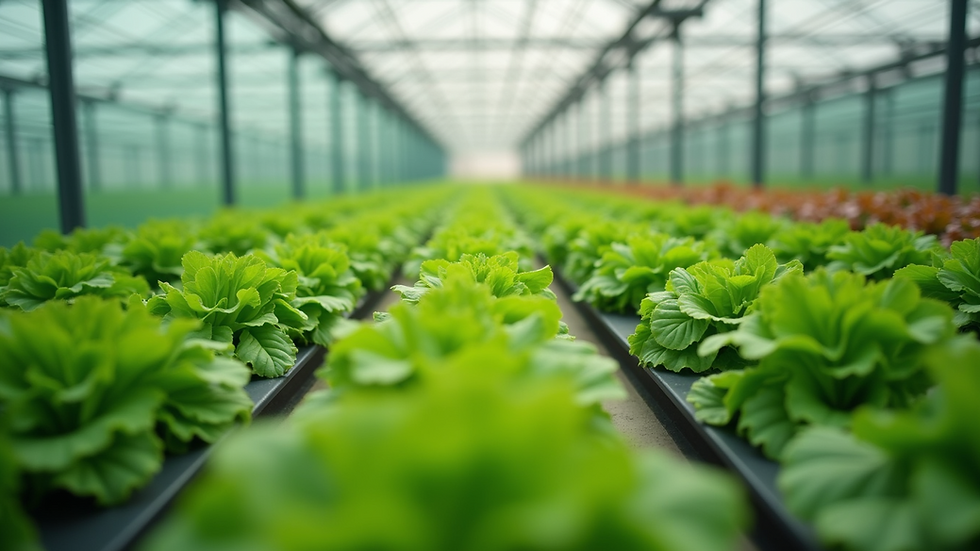
Hydroponics is a soil-less farming method that uses nutrient-rich water solutions to grow plants. While it offers many advantages, such as faster growth and space efficiency, not all plants thrive in hydroponic systems.
Here are three plants generally not recommended for hydroponics:
Root vegetables like carrots and potatoes - These plants require loose, deep soil to develop properly. Hydroponic systems often lack the necessary space and structure for their roots to expand.
Corn - Corn plants grow tall and need a lot of space and support. Hydroponic setups usually cannot accommodate their size and growth habits effectively.
Brassicas such as cabbage and broccoli - These plants have complex nutrient needs and can be prone to diseases in hydroponic environments, making them challenging to grow successfully.
For those interested in exploring hydroponic farming, learning about the right crops to grow is essential. You can find more detailed information about hydroponics in agriculture and how to implement it effectively.

The Role of Data Analytics and AI in Farming
Data analytics and artificial intelligence (AI) are revolutionizing decision-making in agriculture. By collecting and analyzing vast amounts of data, farmers can predict crop yields, identify potential problems, and optimize resource use.
AI-powered systems can analyze weather patterns, soil conditions, and historical crop performance to recommend the best planting times and crop varieties. This reduces risks and improves productivity.
Machine learning algorithms also help detect diseases and pests early by analyzing images captured by drones or cameras. Early detection allows for targeted treatment, reducing the need for widespread pesticide use.
Farmers can use mobile apps and cloud platforms to access this data anytime, anywhere, making farm management more flexible and responsive.
Practical Tips for Integrating Technology into Your Farm
Adopting new technology can seem overwhelming, but starting with small, manageable steps can make the transition smoother.
Start with soil and water sensors: These devices provide immediate benefits by helping you optimize inputs and improve crop health.
Use drones for field monitoring: Even basic drone models can give you valuable insights into crop conditions.
Explore automated irrigation: Smart irrigation systems save water and reduce labor.
Leverage data platforms: Use farm management software to track activities, analyze data, and plan ahead.
Educate yourself and your team: Attend workshops, webinars, or consult with agricultural technology experts to stay updated.
By gradually incorporating these tools, you can enhance productivity and sustainability without disrupting your existing operations.
Embracing the Future of Farming
Technology is not just changing how we farm today; it is shaping the future of agriculture. Innovations like vertical farming, gene editing, and blockchain for supply chain transparency are on the horizon.
Farmers who embrace these technologies will be better equipped to meet the growing global demand for food while protecting natural resources.
The integration of technology in farming practices offers exciting opportunities to increase efficiency, reduce environmental impact, and improve food security worldwide.
By staying informed and open to innovation, the agricultural community can continue to thrive in an ever-changing world.


Comments