


Creative Recipes with Edible Flowers: A Flavorful Floral Fiesta 🌸🍽️
Ready to jazz up your kitchen game? Let’s dive into the colorful, fragrant world of edible flowers! These little beauties aren’t just for looks—they pack a punch of flavor, texture, and nutrition that’ll make your dishes pop like fireworks on the Fourth of July. Whether you’re a health-conscious home cook or a local chef craving something fresh and fun, edible flowers are your new secret weapon. So, buckle up and let’s get cooking with some seriously creative recipes with edible flowers!
Why You Should Cook with Edible Flowers: Recipes with Edible Flowers That Wow
First off, edible flowers are not just pretty faces. They bring a burst of flavor—think peppery, sweet, citrusy, or even spicy notes—that can transform your meals from “meh” to “heck yeah!” Plus, they’re loaded with antioxidants, vitamins, and minerals. Talk about eating with your eyes and your body’s best interests in mind!
Here’s why you should jump on the edible flower bandwagon:
Visual Appeal: Flowers add vibrant colors that make your plate Instagram-worthy.
Flavor Boost: From mild and sweet to bold and spicy, flowers add unique tastes.
Nutritional Perks: Many edible flowers are packed with vitamins A, C, and antioxidants.
Sustainability: Using locally grown edible flowers supports sustainable farming and reduces your carbon footprint.
Imagine tossing a handful of nasturtium petals into your salad or infusing your lemonade with lavender. Yum! Plus, sourcing from local growers like Sprout & About Acres means you get fresh, sustainably grown flowers that are safe and delicious.
Easy and Exciting Recipes with Edible Flowers to Try Today
Alright, let’s get down to business. Here are some playful, cheeky, and downright delicious recipes with edible flowers that’ll make your taste buds dance:
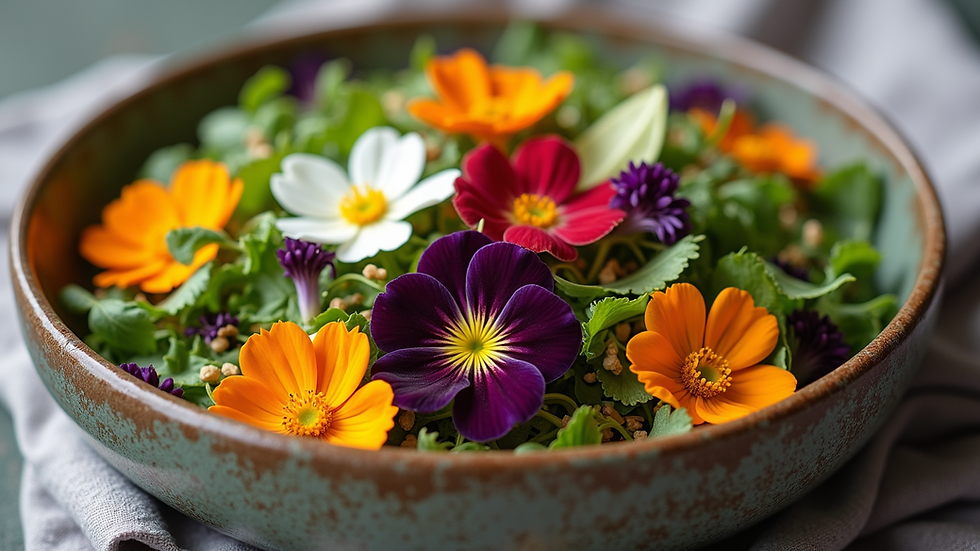
1. Floral Power Salad
Mixed greens (arugula, spinach, kale)
Nasturtium petals (peppery and bright)
Pansy flowers (mild and sweet)
Toasted walnuts
Crumbled goat cheese
Lemon vinaigrette with a hint of honey
Toss it all together and watch your salad go from boring to blooming! The nasturtium adds a spicy kick, while pansies bring a subtle sweetness. Goat cheese and walnuts add creaminess and crunch. Boom!
2. Lavender Honey Lemonade
Fresh lemon juice
Honey syrup infused with dried lavender buds
Sparkling water
Ice cubes
Lavender sprigs for garnish
Steep lavender buds in warm honey syrup, mix with lemon juice and sparkling water, and serve over ice. This drink is like a spa day in a glass—refreshing, floral, and oh-so-sophisticated.
3. Rose Petal Jam
Fresh rose petals (unsprayed and edible)
Sugar
Lemon juice
Pectin (optional)
Simmer rose petals with sugar and lemon juice until thickened. Spread on toast or swirl into yogurt for a fragrant, floral twist. It’s like a garden party on your breakfast plate!
4. Violet-Infused Butter
Unsalted butter, softened
Chopped violet petals
Pinch of sea salt
Mix violet petals into softened butter and chill. Use on warm bread or melt over steamed veggies. The subtle floral aroma will have you swooning.
5. Hibiscus Iced Tea
Dried hibiscus flowers
Boiling water
Agave syrup or sugar
Fresh mint leaves
Brew hibiscus flowers like tea, sweeten to taste, and chill. Serve over ice with mint. Tart, tangy, and totally thirst-quenching.
These recipes are just the tip of the petal! For more inspiration, check out this treasure trove of edible flowers recipes.

What Flowers Can You Cook and Eat?
Not all flowers are created equal—some are downright toxic, so don’t go plucking any old bloom from your garden! Here’s a quick guide to the most popular and safe edible flowers you can cook with:
Nasturtiums: Peppery, vibrant, and colorful. Great in salads and garnishes.
Pansies: Mild, slightly sweet, perfect for desserts and salads.
Lavender: Floral and slightly sweet, ideal for drinks, desserts, and savory dishes.
Rose Petals: Sweet and fragrant, fantastic in jams, syrups, and baked goods.
Violets: Sweet and delicate, lovely in butters and salads.
Hibiscus: Tart and tangy, perfect for teas and beverages.
Calendula: Slightly spicy and tangy, adds color and flavor to soups and salads.
Chamomile: Apple-like flavor, great for teas and infusions.
Pro tip: Always make sure your flowers are organically grown and pesticide-free. If you’re buying from a local grower like Sprout & About Acres, you’re in safe hands!
Tips for Cooking and Storing Edible Flowers Like a Pro
Handling edible flowers is an art and a science. Here’s how to keep your blooms fresh and fabulous:
Harvest or buy fresh: Use flowers the same day or within 24 hours for best flavor.
Store carefully: Keep flowers in a sealed container lined with damp paper towels in the fridge.
Wash gently: Rinse flowers lightly in cold water and pat dry with a paper towel.
Use petals only: Remove stems, pistils, and stamens to avoid bitterness.
Add at the last minute: Flowers wilt quickly when cooked, so add them as a garnish or at the end of cooking.
With these tips, your edible flowers will stay vibrant and tasty, making your dishes look and taste amazing.
Let’s Get Floral: Your Next Kitchen Adventure Awaits!
So, what are you waiting for? It’s time to unleash your inner flower child and sprinkle some magic on your meals. Whether you’re whipping up a salad, baking a cake, or mixing a cocktail, edible flowers bring that wow factor that’s hard to beat.
Remember, cooking with edible flowers is not just about aesthetics—it’s about flavor, nutrition, and a little bit of whimsy. Dive into the world of edible flowers recipes and watch your kitchen creations bloom with color and taste.
Ready to start? Grab some fresh edible flowers from your local market or Sprout & About Acres, and let the floral feast begin! 🌼🍴
Happy cooking and blooming deliciously!


Comments